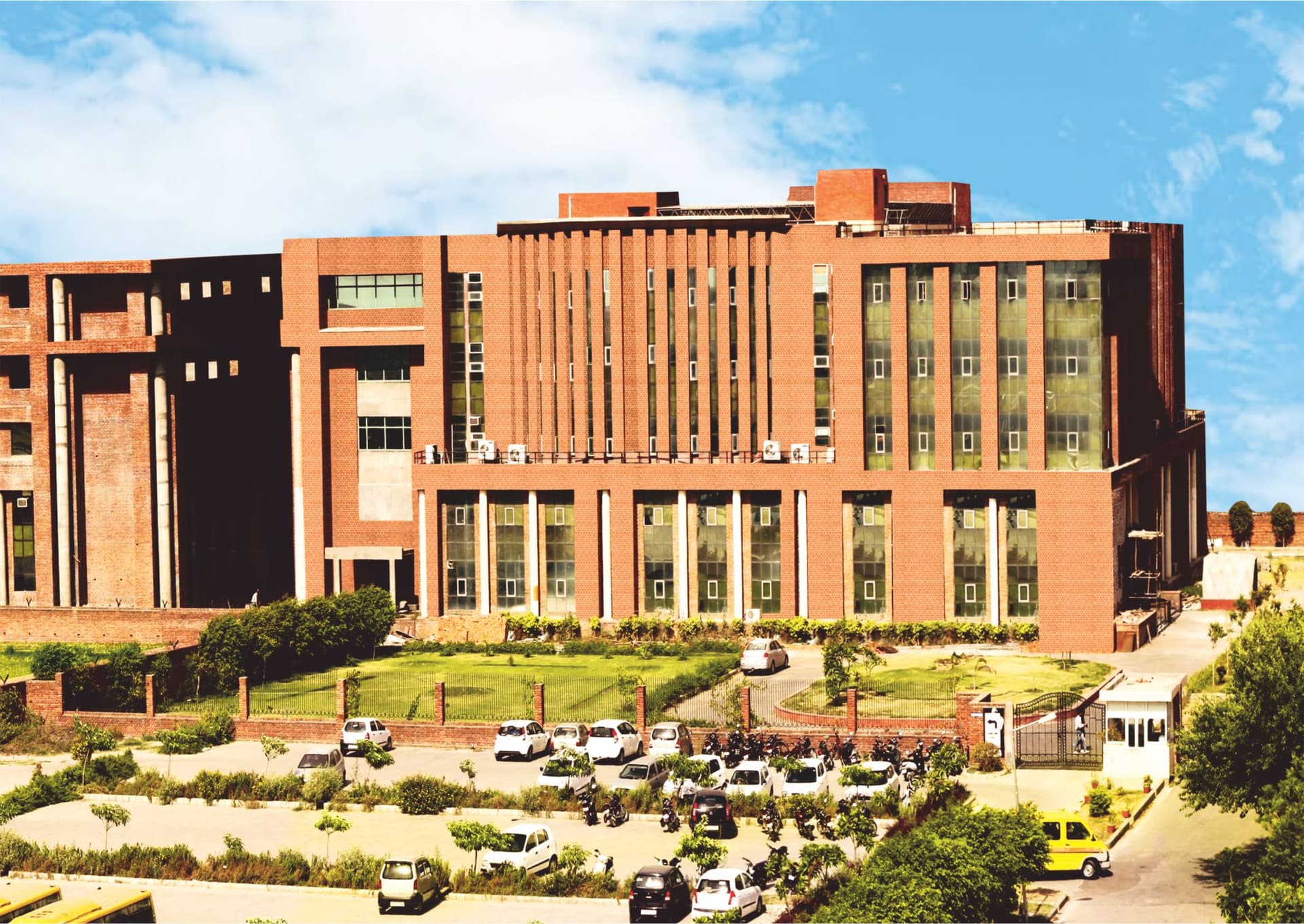
Central Sanskrit University, Garhi Campus, Delhi, stands as a notable Central University established in 1970. Renowned for its Sanskrit studies, it offers undergraduate, postgraduate, and doctoral programs, fostering a deep understanding of ancient Indian knowledge. The campus provides a focused academic environment for traditional learning.
About Rashtriya Sanskrit Sansthan New Delhi
Central Sanskrit University, formerly known as Rashtriya Sanskrit Sansthan, was established in 1970 and is located in New Delhi, India. It is a Central Government university functioning under the Ministry of Education, Government of India, dedicated to the promotion and development of Sanskrit language and literature.
The university holds an A+ grade from NAAC and is ranked within the 151-200 band in the NIRF University category for 2025. It offers a range of undergraduate, postgraduate, and doctoral programs focused on Sanskrit studies, including B.A., M.A., B.Ed., M.Ed., Ph.D., and D.Litt. The institution is recognized for its significant role in Sanskrit research and education, with a strong faculty and student base.
Key Highlights
Overview
Central Sanskrit University, formerly known as Rashtriya Sanskrit Sansthan, was established in 1970 and is located in New Delhi, India. It is a Central Government university functioning under the Ministry of Education, Government of India, dedicated to the promotion and development of Sanskrit language and literature.
The university holds an A+ grade from NAAC and is ranked within the 151-200 band in the NIRF University category for 2025. It offers a range of undergraduate, postgraduate, and doctoral programs focused on Sanskrit studies, including B.A., M.A., B.Ed., M.Ed., Ph.D., and D.Litt. The institution is recognized for its significant role in Sanskrit research and education, with a strong faculty and student base.
Key Highlights
Admission Dates 2026
Rashtriya Sanskrit Sansthan (Central Sanskrit University), New Delhi, conducts admissions primarily based on CUET (Common University Entrance Test) scores for undergraduate and postgraduate programs. The admission process includes online application, document verification, counselling, and interviews for some courses.
Admission Process
Admission to Rashtriya Sanskrit Sansthan New Delhi (now Central Sanskrit University) is primarily through the Common University Entrance Test (CUET) for undergraduate and postgraduate programs, followed by counseling and an interview. Non-CUET admissions are also available for certain traditional courses based on merit and university-conducted tests.
Undergraduate (UG) Admission
Steps to Apply
- Register and apply online for CUET UG on the official CUET website, selecting Sanskrit in Section I-B (Languages) and the relevant domain in Section II.
- Appear for the CUET UG exam during the scheduled dates (May-June 2025).
- After CUET results, check the merit list released by the university.
- Participate in the counseling process university instructions.
- Complete admission formalities including document verification and fee payment.
Postgraduate (PG) Admission
Steps to Apply
- Register and apply online for CUET PG on the official CUET website.
- Appear for the CUET PG exam during the scheduled dates.
- Check the merit list and attend counseling if shortlisted.
- Complete admission formalities including interview, document verification, and fee payment.
Non-CUET Admission (Traditional Courses)
Steps to Apply
- Register on the Central Sanskrit University Non-CUET Admission Portal for courses like Prak-Shastri and LL.B. (Hons.) in Bhartiya Jurisprudence.
- Fill out the application form with academic and personal details.
- Pay the application fee online (₹1000).
- Await interview or university-conducted test call for final selection.
- Complete admission formalities after selection.
Eligibility Criteria & Fees
Documents Required
- Class 10th and 12th mark sheets and certificates
- Graduation and post-graduation mark sheets (if applicable)
- CUET scorecard (for CUET-based admissions)
- Category certificate (SC/ST/OBC) if applicable
- Identity proof (Aadhaar card, passport, etc.)
- Passport size photographs
- Migration and transfer certificates (if applicable)
Placements 2025
Rashtriya Sanskrit Sansthan, New Delhi, a placement rate between 80% and 90% for recent batches, with median packages around ₹3.5 LPA in 2025. Top recruiters include Infosys, Deloitte, Wipro, ICICI Bank, and TCS, primarily hiring for roles related to education and Sanskrit language expertise. The institution mainly facilitates off-campus placements, especially in teaching and government sectors, with salary packages ranging from ₹2 to ₹8 LPA.
Placement Statistics
Top Recruiters
IT: Infosys, Wipro, TCS, Accenture, Capgemini, Cognizant
Consulting: Deloitte, EY
Core: ICICI Bank
Branch-wise Placement
Rankings & Accreditations
Rashtriya Sanskrit Sansthan, now known as Central Sanskrit University, holds a stable position in national rankings, consistently placed in the 150-200 band by NIRF in the University category for 2024 and 2025. It is ranked #24 overall by India Today in 2025 and #42 by IIRF the same year. The university also holds an A+ grade from NAAC.
NIRF 2025
Other Rankings
Accreditations
Scholarships & Financial Aid
Rashtriya Sanskrit Sansthan, New Delhi offers merit-based scholarships to students studying Sanskrit, Pali, or Prakrit at various levels from Class 9 to Ph.D. The scholarships provide monthly financial aid ranging from ₹250 to ₹2,500 depending on the course level, with eligibility based on academic performance and category-specific relaxations.
Institute Scholarships
Government Scholarships
External Scholarships
- Inlaks Shivdasani Foundation: Financial support for up to 3 months of research travel abroad for Indian students
- Sir Ratan Tata Trust: One-year scholarships for Masters in UK or two-year scholarships in USA in Development Studies
- Narotam Sekhsaria Foundation: Interest-free loan scholarships up to ₹20 lakhs for Indian students with good academic records
Comparison
Rashtriya Sanskrit Sansthan New Delhi (now Central Sanskrit University) is compared with Shri Lal Bahadur Shastri National Sanskrit University and Jagadguru Ramanand Acharya Rajasthan Sanskrit University as they are prominent government institutions specializing in Sanskrit education and research, offering similar courses and serving as key centers for Sanskrit language promotion in India.
Key Strengths
- Rashtriya Sanskrit Sansthan New Delhi: Only multi-campus Sanskrit language university globally with NAAC A++ accreditation and strong government backing, offering extensive UG to PhD programs with scholarship support.
- Shri Lal Bahadur Shastri National Sanskrit University: Established institution with NAAC A grade, known for traditional Sanskrit education and affordable fees in New Delhi.
- Jagadguru Ramanand Acharya Rajasthan Sanskrit University: Focused on diploma and undergraduate Sanskrit courses with very low fees, serving regional Sanskrit education needs in Rajasthan.
Campus & Infrastructure
The Rashtriya Sanskrit Sansthan (now Central Sanskrit University) New Delhi campus is located in the heart of New Delhi, serving as the university's headquarters. It features a compact urban campus with well-ventilated academic and residential facilities designed to support Sanskrit education and research.
Campus Details
Academic Facilities
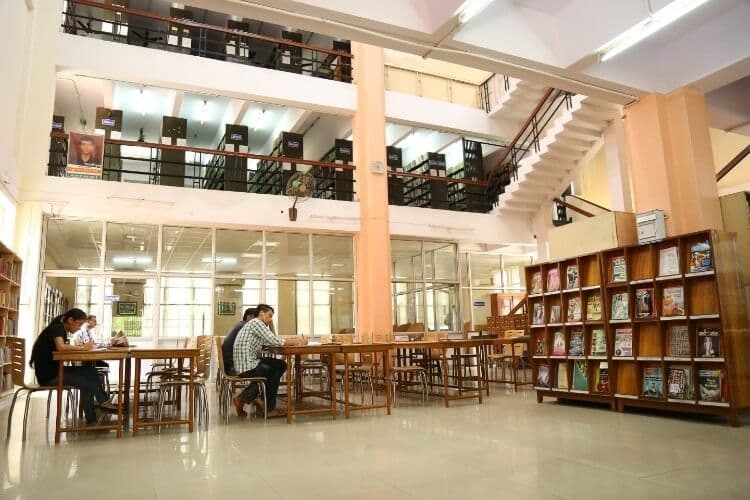
- Library: Not specified with exact number of books or e-journals
- Labs: Not specified
- Classrooms: Wi-Fi enabled classrooms with smart facilities
Hostel
Other Facilities
- Hostel facilities include furnished rooms with bed, table, chair, wardrobe, water cooler, common room, and Wi-Fi internet
- Mess facility providing three meals a day with a variety of cuisines
- Security with round-the-clock wardens and CCTV surveillance
- Common rooms with TV and newspapers
- Sports and indoor games facilities
- Medical aid and tie-ups with local healthcare providers
- Auditorium and study rooms in hostel premises
Frequently Asked Questions
What is the admission process for undergraduate Sanskrit courses at Rashtriya Sanskrit Sansthan?
Admissions are based on an all-India merit list, often through an entrance exam or CUET scores. Applications are submitted online via the official university portal during the admission cycle.
What are the eligibility criteria for postgraduate Sanskrit programs?
Candidates must have a relevant undergraduate degree in Sanskrit or related fields with a minimum percentage as prescribed by the university, typically around 50% aggregate marks.
What is the fee structure for BA and MA Sanskrit courses?
The fee is nominal and subsidized by the government, generally ranging from ₹5,000 to ₹15,000 per year depending on the program and campus.
Are scholarships available for students at Rashtriya Sanskrit Sansthan?
Yes, merit-based and need-based scholarships are offered, including government scholarships for SC/ST/OBC and economically weaker sections.
Does the university provide education loans or financial aid options?
While the university itself does not provide loans, students can avail education loans from nationalized banks with the university recognized as a valid institution.
What are the placement opportunities after completing Sanskrit studies here?
Placements are limited but include opportunities in teaching, research, translation, and government cultural departments; internships are available in Sanskrit research centers.
Which organizations or recruiters visit for campus placements?
Recruiters mainly include government bodies like the Ministry of Culture, Sanskrit academies, and educational institutions offering Sanskrit teaching roles.
What is the curriculum focus for the Ph.D. programs at Rashtriya Sanskrit Sansthan?
Ph.D. research focuses on Vedic studies, Sanskrit literature, philosophy, Ayurveda, and linguistics, with interdisciplinary approaches encouraged.
How qualified is the faculty at Rashtriya Sanskrit Sansthan?
The faculty comprises experienced scholars with Ph.D. degrees in Sanskrit and allied disciplines, many with national and international research publications.
What are the hostel facilities available on campus?
The university has eight hostels (five for boys, three for girls) with shared rooms (2-4 occupants), mess facilities offering three meals daily, and amenities like Wi-Fi and study rooms.
How is the food quality in the university hostels?
The mess provides a variety of cuisines throughout the week, maintaining hygienic standards and catering to diverse dietary preferences.
Are there any student clubs or cultural activities on campus?
Yes, students can participate in cultural events, debates, seminars, sports clubs, and traditional Sanskrit literary activities organized regularly.
Is the campus safe for students, especially for girls?
The campus maintains strict security protocols with CCTV surveillance, security personnel, and a safe environment for all students.
What is the daily commute like for students living off-campus?
The campus is located in urban New Delhi with good public transport connectivity including buses and metro, making daily commute convenient.
Are part-time job opportunities available for students in or around the campus?
Part-time jobs are limited but students can find opportunities in tutoring, research assistance, or cultural event management in the city.
Is there a dress code for students at Rashtriya Sanskrit Sansthan?
There is no strict dress code, but traditional and modest attire is encouraged, especially during cultural and academic events.
How does Rashtriya Sanskrit Sansthan compare with other Sanskrit universities in India?
It is one of the premier central Sanskrit universities with a strong government backing, extensive research facilities, and a multi-campus presence, ranking among the top Sanskrit institutions nationally.
What is the return on investment (ROI) for Sanskrit courses here?
Given the low fees and government scholarships, the ROI is favorable for students pursuing academic, research, or government careers in Sanskrit studies.
Does the university have a strong alumni network?
Yes, alumni include prominent Sanskrit scholars, educators, and government officials who contribute to Sanskrit promotion and provide mentorship.
Are digital resources and libraries well-equipped for Sanskrit research?
The university has a well-stocked library with rare Sanskrit manuscripts, digital archives, and access to modern research tools and databases.










.png&w=1920&q=75)